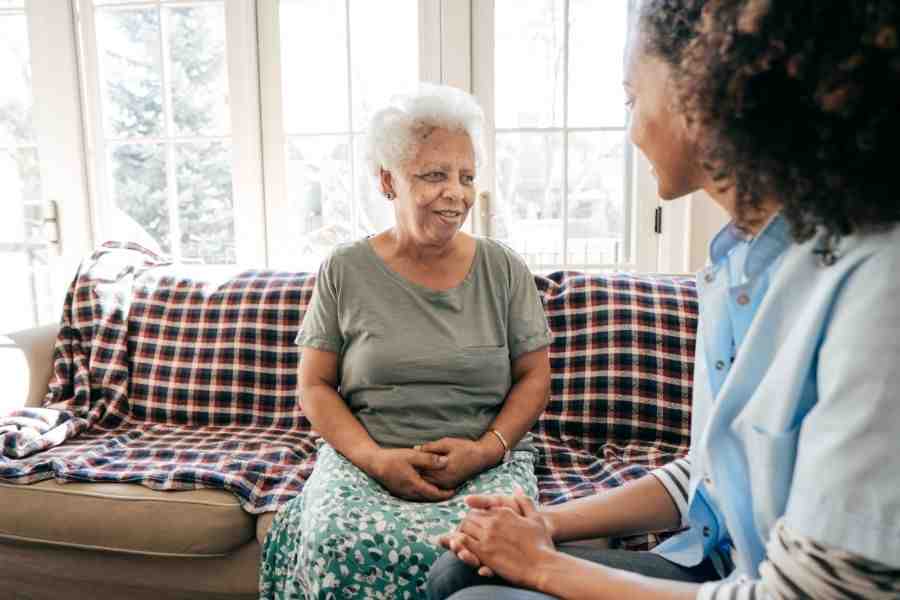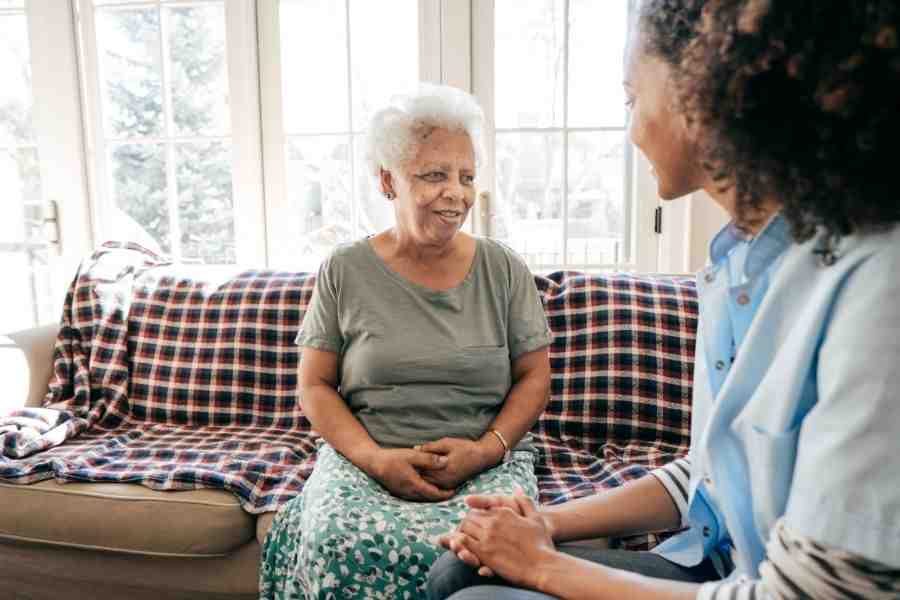

For many families, home care is the ideal way to help a loved one remain where they feel most at ease. Home provides familiarity, comfort, and a sense of control that supports confidence and well-being. With the right in-home services, many individuals continue to thrive in the place they love most.
But there may come a time when home care isn’t right anymore. As health needs change, home may no longer offer the level of safety or support required. Recognizing that shift can feel emotional and uncertain, and many families struggle with the worry that they’re not doing enough or that they’re missing the moment to make a helpful change.
These feelings are understandable. Learning the signs you need more than home care can help you make thoughtful, timely decisions that protect your loved one’s safety, dignity, and comfort.
Signs Home Care Isn’t The Right Choice Anymore
Understanding when home care is no longer the best option starts with noticing specific changes. These signs reflect evolving needs—not a lack of effort or love.
1. Medical Needs Become Too Complex
Some conditions progress to a point where routine in-home support cannot meet the growing demands. You may be seeing:
- Repeated hospital or ER visits
- Increasing medical instability
- New or rapidly changing medications
- More frequent falls or complications
- Difficulty managing chronic conditions at home
Resources such as the National Institute on Aging can help families understand how certain health issues progress and why home may no longer provide sufficient support.
These developments are often clear signs you need more than home care. A skilled nursing setting or short-term rehabilitation stay may provide the advanced monitoring, specialized staff, and medical equipment necessary to keep your loved one safe.
2. Cognitive Changes Create Safety Concerns
For families navigating dementia, there comes a point when home care isn’t right because the home itself becomes unpredictable for the person living with memory loss.
You might notice:
- Wandering or attempts to leave the home
- Increased confusion or disorientation
- Difficulty recognizing rooms or familiar places
- Agitation that’s becoming difficult to manage
- Unintentional safety risks such as leaving appliances on
When these patterns appear, alternatives to home care, such as memory care communities, offer secure environments, structured routines, and staff trained to support cognitive changes.
The Alzheimer’s Association also offers helpful guidance on identifying and responding to these safety concerns.
3. The Home Environment No Longer Supports Daily Life
Sometimes, the challenge isn’t your loved one; it’s the home itself. Even with good care, the physical environment may no longer be safe or functional.
Signs include:
- Stairs becoming unsafe
- Tight or inaccessible bathrooms
- Narrow hallways that impede mobility
- Trip hazards that can’t be fully corrected
- Lack of space for equipment like hospital beds or lifts
At this point, alternatives to home care, such as assisted living, may provide the accessibility, comfort, and built-in safety features that a traditional home cannot.
4. Family Caregivers Become Exhausted
Caregivers often take on more responsibility than they realize, and over time, the emotional and physical load becomes too heavy.
You may be experiencing:
- Constant worry, even during short breaks
- Difficulty maintaining sleep or personal health
- Stress that’s becoming harder to manage
- Feeling stretched between caregiving, work, and family
- A sense that the relationship is being replaced by responsibility
These are important signs you need more than home care. Choosing additional support isn’t giving up—it’s ensuring that both you and your loved one remain safe, connected, and supported.
Alternatives to Home Care
When home care isn’t right anymore, several supportive options can offer safety, comfort, and dignity. Each is designed to meet changing needs without losing the personal connection that matters most.
Assisted Living
Provides support for daily tasks along with opportunities for independence, social connection, and a secure living environment.
Memory Care
Created specifically for individuals living with dementia. These communities offer structured routines, secure surroundings, and trained staff who understand cognitive changes.
Skilled Nursing or Rehabilitation
Ideal for individuals with complex medical needs, frequent monitoring requirements, or those recovering after hospitalization.
Each of these alternatives to home care allows families to choose what best matches their loved one’s needs while maintaining dignity, comfort, and stability.
How Lucent Health Group Helps You Make the Right Choice
Determining when home care isn’t right can feel overwhelming, but you don’t need to navigate it alone. Lucent Health Group offers calm, honest guidance grounded in medical knowledge and deep local experience.
We help families:
- Assess current care needs and safety concerns
- Identify the signs you need more than home care
- Explore appropriate alternatives to home care
- Understand what each care option provides
- Make decisions that honor comfort, independence, and personal values
Our goal is to walk with you, not pressure you. We offer support that’s clear, compassionate, and tailored to your family’s situation.
Let’s Talk About What Comes Next
If you’re beginning to wonder whether home is still the right place for your loved one, let’s talk. Lucent Health Group is here to help you find clarity, reassurance, and the care solution that best supports your family.