
Why Aging in Place Support Matters for Your Family
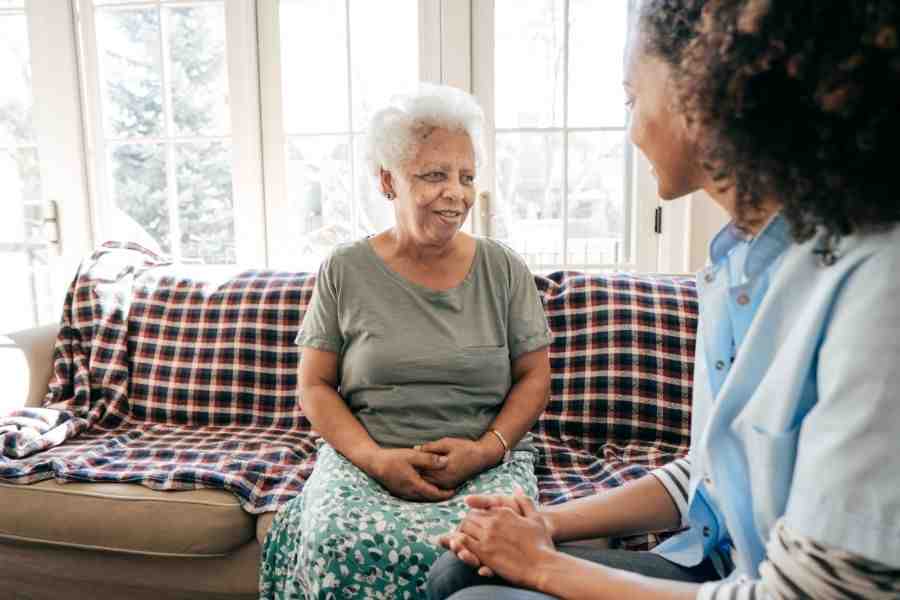
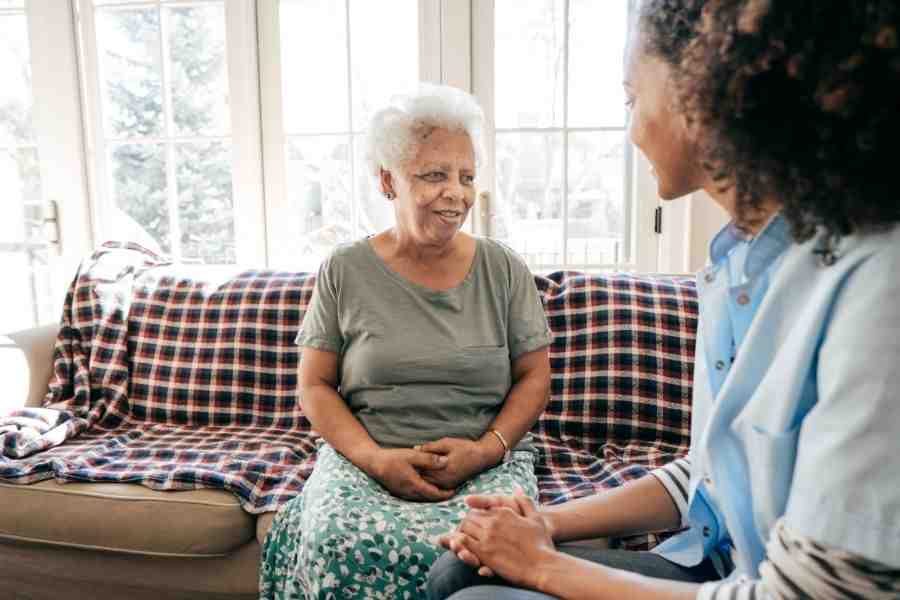
Aging in place support helps older adults live safely and independently in their own homes through a combination of in-home care, home modifications, community services, and healthcare coordination.
Key support services include:
- Personal and companion care – Help with daily activities like bathing, dressing, and meal preparation
- Skilled nursing – Medical care for chronic conditions and post-hospital recovery
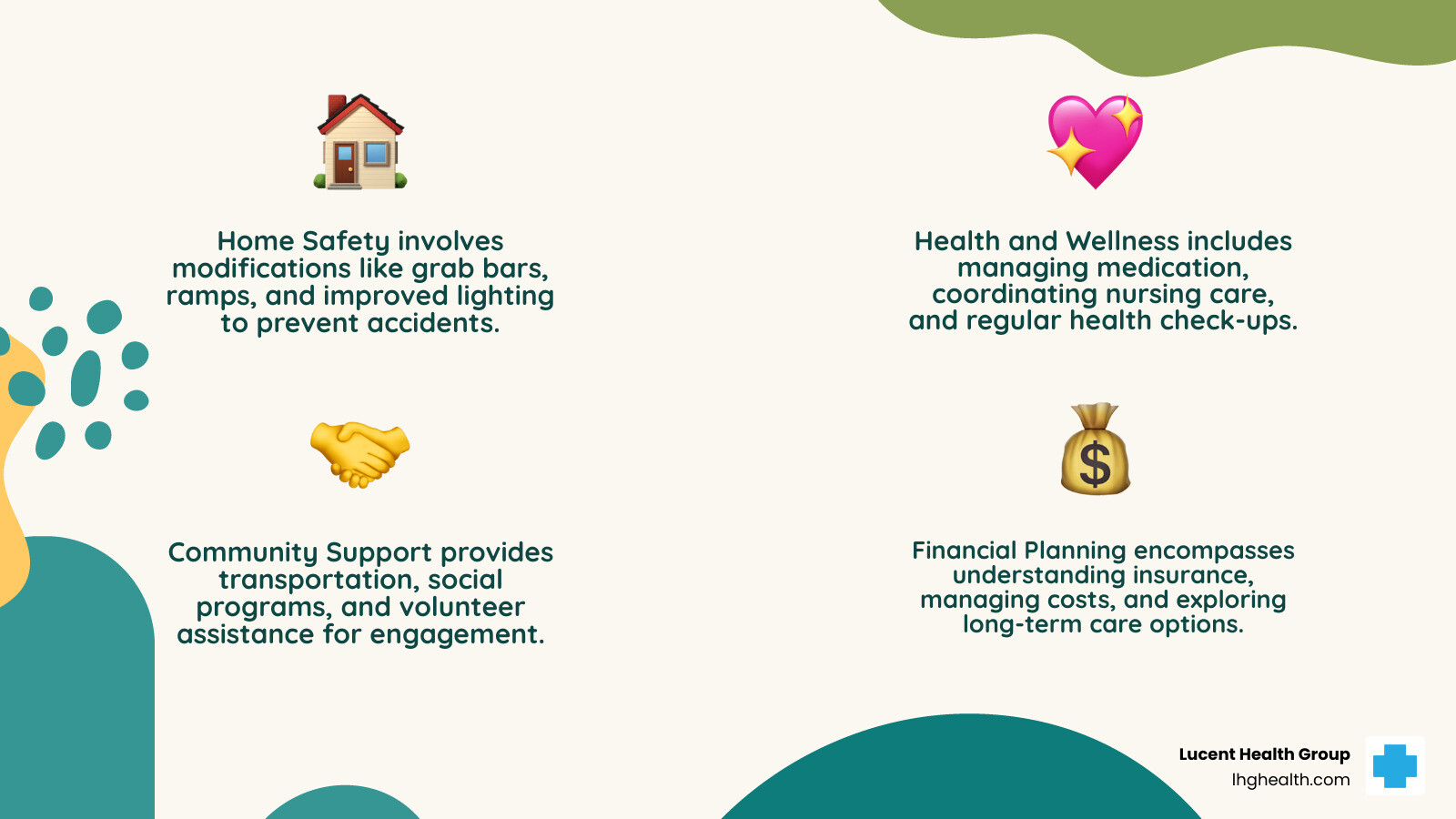
- Home safety modifications – Grab bars, ramps, better lighting, and non-slip flooring
- Transportation and meal services – Getting to appointments and ensuring proper nutrition
- Medical alert systems – Technology for emergency response and peace of mind
- Community resources – Social programs, senior centers, and volunteer support
For many North Texas families, the conversation about care begins quietly—a forgotten medication, a fall, or the simple observation that home is becoming harder to manage. We know that 96 percent of seniors want to age at home, surrounded by memories and familiar routines. Home means independence.
But wanting to stay home and safely staying home are two different things. The gap between those two realities is where aging in place support comes in.
This isn’t about moving to a facility. It’s about building a support network to make home the safest, most comfortable place it can be, honoring their independence while ensuring their needs are met. Whether you’re just starting to notice changes or actively coordinating care, understanding what support is available can transform an overwhelming situation into a manageable plan.
Understanding the Landscape of Aging in Place
This section explores the deep personal value of staying at home and acknowledges the real-world challenges families face, setting the stage for supportive solutions.
The Overwhelming Desire for Home
The concept of “aging in place” resonates deeply because it means preserving comfort, independence, and dignity in familiar surroundings. Home is more than a structure; it’s a repository of memories and a symbol of stability. Being surrounded by what’s familiar can reduce stress and contribute significantly to well-being.
This desire is profound, with studies showing that 96 percent of those aged 65 and older want to age at home for as long as they can. Maintaining daily routines like walking, cooking, or light chores helps preserve balance, strength, and mobility, which supports independence and lowers fall risk.
Common Challenges for Families
Despite this strong desire, families often face significant challenges when supporting a loved one at home. These issues can create stress and uncertainty for adult children navigating care decisions.
- Home Safety: Many homes are not designed for the changing needs of older adults. Hazards like poor lighting, stairs, or loose rugs pose serious fall risks. Families often need help identifying and making necessary modifications.
- Managing Chronic Health Conditions: It’s common for seniors to have complex chronic conditions requiring careful coordination of medications, appointments, and specialized care, which can be overwhelming for family caregivers.
- Social Isolation: Living at home can lead to loneliness if social connections dwindle, which negatively impacts mental and emotional health.
- Transportation Difficulties: When older adults can no longer drive, their ability to get to appointments, grocery stores, and social activities is limited, impacting their independence.
- Caregiver Stress and Burnout: Often, one family member shoulders most caregiving responsibilities, leading to physical and emotional exhaustion. One-third of family caregivers are in distress, struggling to find reliable services and steer complex decisions. Recognizing the early signs that your parents may need care is the first step toward addressing these challenges proactively.
Building Your Aging in Place Support System
This section details the network of services that make aging in place safe and sustainable, focusing on hands-on care and supportive technology.
In-Home Care Services: The Cornerstone of Support
For many older adults in North Texas, in-home care services are the foundation of successful aging in place support, bringing professional assistance directly into the home.

- Personal Care: Provides hands-on help with activities of daily living (ADLs) like bathing, dressing, and grooming. This essential support helps prevent moves to facilities and ensures dignity. Lucent Health Group offers compassionate personal care.
- Companion Care: Addresses the need for social interaction and emotional support. Caregivers provide camaraderie and help with light housekeeping, meal planning, and errands, reducing the risk of isolation. Understanding the nuances between companion and personal care services helps families choose the right support.
- Skilled Nursing: Registered nurses provide in-home medical care, such as medication management, wound care, and monitoring of chronic conditions. This is often essential for post-hospital recovery or managing complex health issues. The vital role of skilled nurses in home healthcare is clear in improving patient outcomes. Lucent Health Group’s skilled staff provide expert medical care at home.
- Post-Hospital Care: This transitional care provides critical support after a hospital discharge, helping prevent readmissions by ensuring medication adherence and monitoring recovery.
These services can be customized from a few hours a week to 24/7 care, providing flexibility and peace of mind for families in the Plano, Dallas, and Fort Worth areas.
Community and Social Support
A robust network of community services is essential for comprehensive aging in place support.
- Meal Preparation and Delivery: Services like Meals on Wheels provide healthy, pre-cooked meals, addressing challenges with shopping or cooking. You can find a local meal delivery service through their national directory.
- Transportation Assistance: Community services, non-profits, and private companies offer rides to enable seniors to attend appointments, run errands, and stay socially active.
- Social Engagement Programs: Senior centers, clubs, and classes combat social isolation by fostering connection and activity.
- Volunteer Visitor Programs: Volunteers offer companionship and support through regular visits, helping to alleviate loneliness.
The Role of Technology in Aging in Place Support
Technology offers innovative solutions that improve safety and independence for older adults in North Texas.
- Medical Alert Systems: Worn as a pendant or bracelet, these systems allow immediate contact with emergency services. Many now include automatic fall detection.
- Smart Home Devices: Automated lighting, smart thermostats, and voice-activated assistants can simplify daily tasks and improve security.
- Telehealth Appointments: Remote video calls with healthcare providers reduce the need for travel and ensure continuous access to medical advice.
- Automated Medication Reminders: Smart pill dispensers or apps improve medication adherence, preventing missed doses.
- Wearable Health Monitors: Devices like smartwatches can track vital signs and activity levels, helping to identify potential health issues early.
As a veteran-led provider, Lucent Health Group recognizes the importance of leveraging appropriate technology to improve our clients’ well-being and independence.
Proactive Planning for a Secure Future
A practical roadmap for families to prepare for the future, covering home modifications, financial realities, and healthcare coordination.
Creating a Safe and Accessible Home
Ensuring the home is safe is a crucial aspect of aging in place support. Proactive modifications can prevent accidents and maintain independence.

- Home Safety Assessment: The first step is a thorough assessment to identify hazards like poor lighting, slippery surfaces, or obstacles. Use our tips for ensuring home safety for aging parents to guide you.
- Simple Modifications: Many effective changes are simple and inexpensive, such as installing grab bars in bathrooms, using lever-style door handles, improving lighting, and adding non-slip mats in high-risk areas.
- Major Modifications: For significant mobility challenges, larger modifications like ramps, wider doorways, or a stairlift may be necessary to enable long-term independence.
- Financial Aid for Modifications: Explore potential financial assistance for home modifications through local housing agencies or social services departments in North Texas. For veterans, specific VA programs may also provide support.
Financial Planning for Aging in Place Support
Understanding costs and funding options can alleviate stress and ensure sustainable care.
- Typical Costs of Care: Aging in place can cost between $1,500 and $4,000 a month, depending on the level of care needed. This is often more cost-effective than a long-term care facility.
- Long-Term Care Insurance: This insurance can cover in-home care costs, protecting assets from being depleted by care expenses.
- Government Programs:
- Medicare: Primarily covers short-term, skilled home health care for specific medical conditions, with limited coverage for long-term custodial care. It’s important to understand what to know about Medicare coverage for home health.
- Medicaid: For those with limited income, Medicaid can be a significant source of funding for long-term care, including home and community-based services.
- U.S. Department of Veterans Affairs (VA): Veterans and surviving spouses may be eligible for benefits like Aid and Attendance to help cover in-home care. Learn about VA benefits for home health. Lucent Health Group is veteran-led and can help guide you.
- Private Financing: Other options include using personal savings, pensions, or reverse mortgages.
Coordinating Healthcare Needs
Effective healthcare coordination ensures medical care is consistent, accessible, and aligned with your loved one’s wishes.
- Advance Care Directives: Legal documents like a living will and durable power of attorney for healthcare ensure an individual’s preferences for medical treatment are honored.
- Chronic Disease Management: In-home skilled nurses can help manage chronic conditions like diabetes or heart disease, preventing complications and hospitalizations.
- Medication Management: A caregiver or skilled nurse can assist with organizing medications, setting reminders, and administering doses to ensure safety and adherence.
- Communicating with Doctors: Maintain open communication with all healthcare providers about any changes in health or medication concerns. A guide to talking with aging parents about their care needs can provide valuable strategies.
- Planning Checklist: Use a planning checklist for aging in place to organize finances, safety, health, and other key considerations.
The Power of Community in Aging Well
This section explores how local community structures and supportive programs contribute to a safe, connected environment for older adults.
Local Support Networks
Strong local support networks are invaluable for comprehensive aging in place support, fostering social connections and providing practical assistance for older adults in North Texas.
- Grassroots Support Groups: These groups, often organized by community members, provide a platform for seniors and caregivers to share experiences and find emotional support.
- Neighborhood Resources: Neighbors can play a significant role by offering informal check-ins, help with small errands, or simply creating a natural safety net.
- Social Connection Opportunities: Local senior centers, community clubs, and recreational programs offer structured opportunities to socialize, learn, and stay active, which is vital for combating loneliness.
- Local Organizations: Non-profits and Area Agencies on Aging (AAA) in the Dallas-Fort Worth area are excellent resources for information, referrals, and direct assistance.
Creating Age-Friendly Communities
An age-friendly community is designed to support people of all ages, which significantly improves aging in place support.
- Walkable Streets and Safe Parks: Well-maintained sidewalks, accessible crosswalks, and safe green spaces encourage physical activity and confident movement around the neighborhood.
- Accessible Public Transportation: A robust and accessible public transit system is crucial for seniors who no longer drive, ensuring they can maintain independence and community access.
- Community Planning: Initiatives like the AARP Livable Communities program advocate for planning that considers the needs of older adults, from housing to social inclusion. AARP provides a toolkit for creating livable communities that can guide local leaders.
Promising Local Programs and Practices
Innovative programs are emerging to improve aging in place support, and their principles offer valuable insights for North Texas communities.
- Community Health Outreach: Programs that bring health screenings and educational workshops into the community make healthcare more accessible and proactive.
- Social Engagement Initiatives: “Social prescribing” programs connect healthcare providers with community resources to address social needs like loneliness or lack of physical activity.
- Integrated Care Teams: Some areas are developing teams of nurses, social workers, and other specialists to support older adults with complex health conditions, reducing fragmented care.
- CAPABLE Program: The Community Aging in Place—Advancing Better Living for Elders (CAPABLE) program is a person-directed, home-based model that integrates occupational therapy, nursing, and handyman services to improve health and independence. This interdisciplinary approach is a holistic model for innovative aging in place programs.
By adapting these promising practices, North Texas communities and providers like Lucent Health Group can build more robust aging in place support systems.
Knowing When to Re-evaluate Your Plan
While the goal is to age in place, there may come a time when the current level of aging in place support is no longer sufficient or safe. Recognizing these signs and compassionately re-evaluating the care plan is a crucial step.
Signs It May Be Time for a Change
It’s an emotionally difficult realization, but there are clear indicators that a loved one’s needs may have surpassed the capacity of in-home care.
- Safety Concerns: Frequent falls, unexplained injuries, or an increase in close calls are major red flags. The home environment may no longer be safe, even with modifications.
- Unmanageable Care Needs: When the level of personal care required becomes constant and intensive, it can overwhelm family caregivers and available in-home services.
- Severe Cognitive Decline: Progressive dementia can lead to wandering or other dangerous behaviors, suggesting a more structured, secure environment with memory care may be necessary.
- Deep Social Isolation: If an individual becomes severely isolated at home despite efforts to engage them, a community setting with built-in social opportunities might improve their quality of life.
- Caregiver Burnout: When caregiver stress becomes persistent and severe, it can signal that the current care model is unsustainable for everyone’s well-being.
For more detailed guidance, explore these resources on when home care may no longer be the right fit.
Exploring Next Steps
When signs indicate a change is needed, approach the decision with careful thought and compassion.
- How to Assess Changing Needs: Have honest conversations with your loved one, family, and healthcare providers. A geriatric care manager can offer an objective assessment of what specific needs are not being met.
- Options for Increasing Support at Home: Before considering a move, explore if increasing in-home support can bridge the gap. This might mean more personal care hours or adding skilled nursing visits. Lucent Health Group can help families assess if increased services can meet evolving needs.
- Focusing on Quality of Life and Safety: The ultimate goal is to ensure your loved one’s safety, dignity, and overall quality of life. This should always be the priority.
- Considering Alternatives: If staying at home is no longer viable, explore other living arrangements. A detailed comparison of in-home care with other care options can help families understand the pros and cons of choices like assisted living, memory care, or skilled nursing facilities.
Your Partner in Aging Gracefully at Home
Aging in place is a journey, and it’s most successful with a strong plan and a compassionate support system. As a veteran-led, locally owned provider in North Texas, Lucent Health Group understands the importance of home. Our multilingual team, speaking Spanish, Farsi, Vietnamese, Russian, Hindi, and Mandarin, ensures culturally sensitive, personalized service, helping your loved ones thrive safely and comfortably. Learn more about our personalized in-home care services in North Texas.